
Reviewed · GYUMRI TOURS
Gyumri: Private Guided Walking Tour By A Local Guide
Gyumri reveals itself best on foot, where grand churches, earthquake-scarred buildings, museums, old streets, and local jokes sit close together. With lifelong resident Aram leading the way, you get more than a list of sights. You get the city’s past, present, and hopes for what comes next.
I like the small group of no more than 10 people, which should make it easier to ask questions and hear the guide. I also like the clear route through central Gyumri, from Vardanants Square to All Saviour’s Church, with time for photos, museums, and local stories. The main drawback is that this is a walking tour on city streets, so it is not suitable for wheelchair users, even though one guest found the route manageable with limited mobility.
Key points of the Gyumri walking tour
- Start at Vardanants Square: Meet Aram beside the statue complex honoring Vardan Mamikonyan, an easy landmark in the city center.
- Hear Gyumri through a local’s eyes: Aram has lived in the city all his life and adds humor, personal insight, and local context to the route.
- See major churches: Visit the Armenian Apostolic Seven Wounds Church and finish at the All Saviour’s Church.
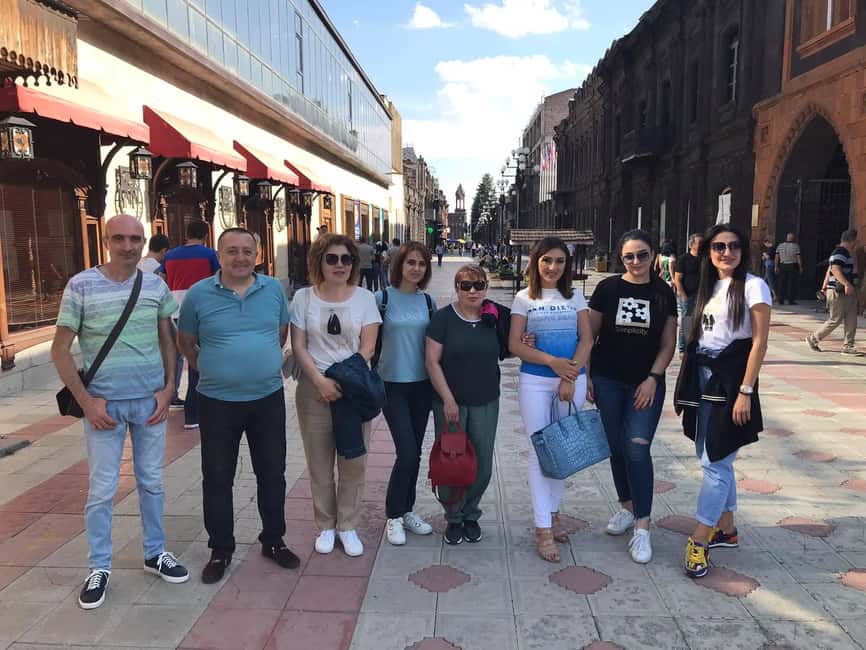
- Explore Masters Street: Walk past historic buildings, museums, Villa Kars, and the Theater of Pondering.
- Keep the group personal: The tour is limited to 10 participants and is offered in English or Russian.
- Plan for a proper walk: Bring comfortable shoes, water, a camera, and clothing suited to the weather.
Starting at Vardanants Square with Aram
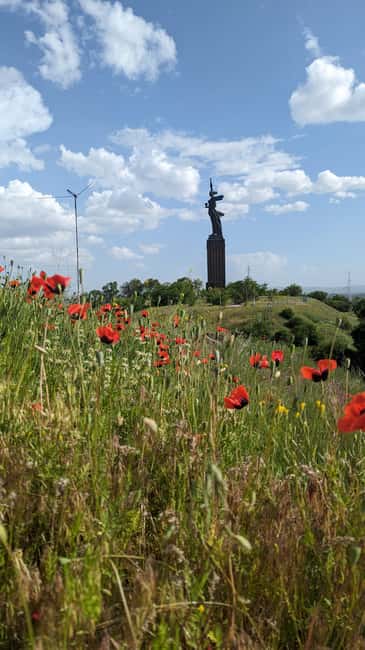
The tour begins in the middle of Vardanants Square, beside the statue complex dedicated to Vardan Mamikonyan. This is a practical meeting point because the statue is easy to spot, and you do not need to search for a small office or business entrance.
The square gives you a useful first look at Gyumri. It is the city’s central gathering place and a natural starting point for understanding how the main streets, churches, public buildings, and cultural sites fit together. Aram begins by setting the scene, then guides you into the historic center.
I would arrive a little early. The meeting instructions are simple, but a central square can still feel confusing if you are rushing, especially if you have just arrived in Gyumri and are still finding your bearings.
Aram’s local connection is central to the experience. He is not simply guiding you from one address to the next. He grew up in Gyumri, knows its streets personally, and explains the city with the warmth of someone who cares about how it is understood.
That matters in a place where the meaning of a building may not be obvious from its outside. A local guide can connect a church, street, park, or museum to the wider character of the city. The tour also includes humorous stories about local people and customs, giving the walk a lighter tone than a strictly academic history lesson.
More gyumri tours in Armenia:
- Group Tour: Gyumri (Urban Life museum, Black fortress, old town), Harichavank
★ 5.0 · 280 reviews - Museum of Illusions Tour
★ 5.0 · 84 reviews - Private tour to Gyumri old town and Marmashen monastery
★ 5.0 · 26 reviews
Seven Wounds Church and Gyumri’s religious center
One of the first important stops is the Armenian Apostolic Seven Wounds Church. It is one of the main religious landmarks on the route and helps place Gyumri within Armenia’s long Christian tradition.
The visit is not limited to a quick photo from the pavement. The tour includes historical and cultural sites, and Aram explains what you are seeing as you move through the city. The exact amount of time spent at each stop can vary, but the point is to understand the church in relation to Gyumri rather than treat it as an isolated monument.
This is where a guide adds real value. Church architecture can be difficult to interpret if you are unfamiliar with Armenian religious buildings, and a short explanation can help you notice details that would otherwise pass by. Aram also shares historical facts and small local details, so the stop feels connected to the life of the city.
You should still expect a walking tour rather than a long formal visit at every site. In 150 minutes, the route needs to keep moving. If you prefer to spend half an hour examining one church in silence, this may feel brisk. If you want a broad introduction to central Gyumri, the pace makes sense.
Masters Street, museums, and Villa Kars
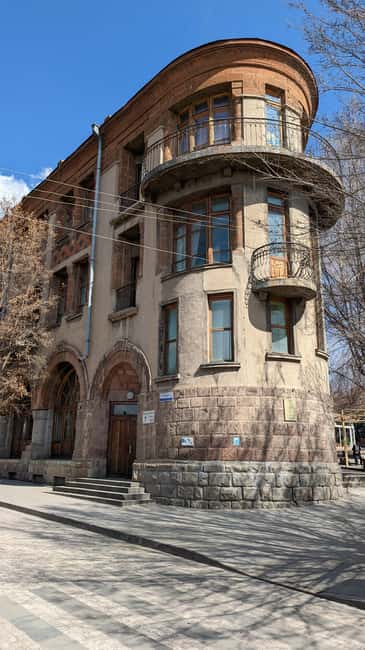
Masters Street brings together several of the features that make central Gyumri worth exploring on foot. You pass historic buildings, museums, and facilities while Aram explains what gives the area its character.
The pleasure here is in the transitions. One moment you are looking at an old facade, and a few steps later you are hearing about a museum or passing a building with a different role in the city. This kind of route is more useful than a simple list of famous sights because it helps you see how Gyumri’s public life is arranged.
Villa Kars is another notable stop. The tour includes time to marvel at the building, and Aram provides the context that makes the visit more meaningful. You might find the exterior itself striking, but the guide’s explanation helps you understand why it belongs on a city walk rather than being just another attractive structure.
The itinerary also includes the Theater of Pondering, an unusual cultural stop that adds variety to the route. It is a reminder that Gyumri is not only about churches and old stone buildings. The city also has a creative side, and the tour makes room for it.
Museums are included among the places you explore, but the information provided does not specify admission fees or a guaranteed interior visit to every museum. If entering a particular museum is important to you, ask Aram or the activity provider before booking. The stated tour price covers the guided tour and visits to historical and cultural sites, but it does not list separate museum tickets.
Stories, humor, and the character of Gyumri
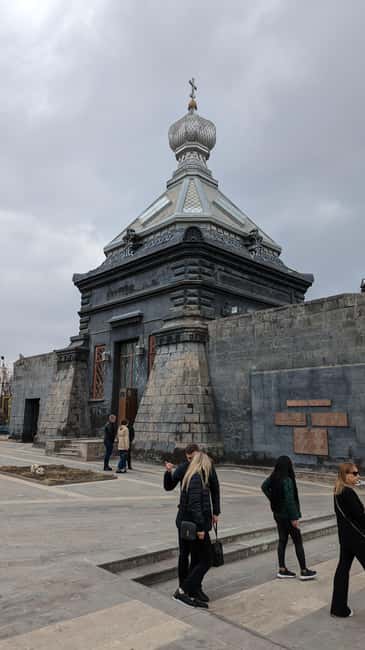
The strongest part of this experience may be the way Aram talks about ordinary life. He shares humorous tales that help explain local character, rather than presenting Gyumri as a set of silent monuments.
That personal approach earned strong praise from people who joined the tour. Aram was described as friendly, welcoming, attentive, passionate, and easy to connect with. One guest said he felt more like a friend than a formal guide. Those comments point to the tone you can expect: warm and conversational, with plenty of room for questions.
His English is described as strong, and the tour is also available in Russian. That language choice makes the experience useful for a wider range of visitors, but you should select the language you need when checking availability.
The small-group format helps here. With a maximum of 10 participants, the walk should feel more personal than a large city tour. You can ask about a building, request a restaurant suggestion, or pause for a photograph without having to shout across a crowd.
The tradeoff is that a small-group tour is still shared. If you want Aram to tailor every minute to your interests, a fully private booking would offer more control, but the supplied details describe this as a small-group experience. For most visitors, 10 people is a reasonable middle ground between personal attention and a lower price.
A few more Armenia trips to weigh up
- Cultural Walking Tour in Yerevan with Armenian food Tastings
★ 5.0 · 334 reviews - Private sightseeing and walking tour in Yerevan
★ 5.0 · 78 reviews - Yerevan Private Walking Food Tour
★ 5.0 · 31 reviews - Walking Yerevan City Tour with 5 Wine & 10 years-old brandy
★ 5.0 · 17 reviews
Gorka Park and the city beyond its monuments
Gorka Park adds an open-air break to the route. After streets, churches, and historic buildings, a park gives you another way to read Gyumri. It shows how the city’s public spaces are used and keeps the walk from becoming a nonstop sequence of facades.
The itinerary does not promise a long rest stop, so do not count on spending a great deal of time there. Still, its place on the route helps create a better rhythm. You get architecture and museums, then a more relaxed public space before continuing toward the final church.
This is also a good point to ask Aram about present-day Gyumri. The tour is built around the city’s past, present, and future, not just its older landmarks. A lifelong resident can explain how the city is changing and what local people value now, though the exact subjects will depend on your questions and the flow of the walk.
Finishing at All Saviour’s Church
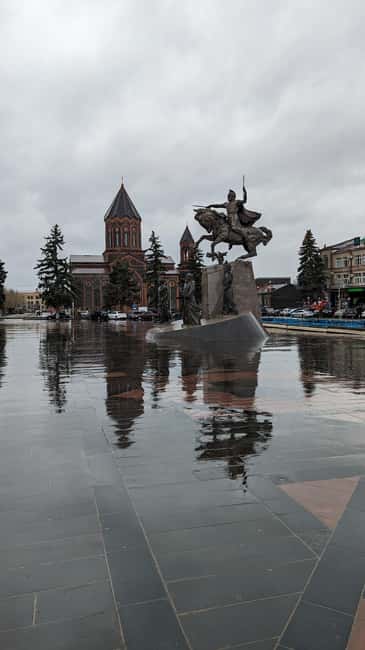
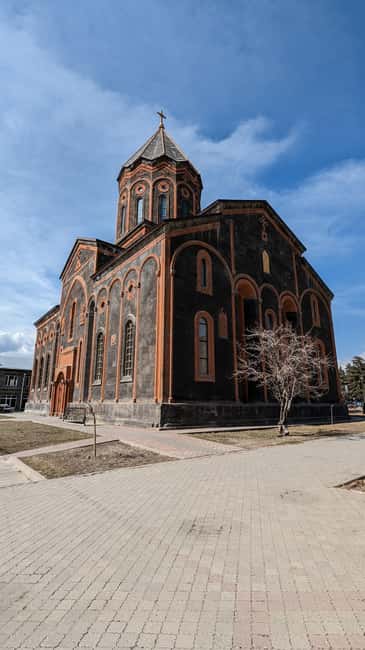
The tour ends at the Armenian Apostolic All Saviour’s Church, also known as Holy Saviour’s Church in the activity description. Ending here gives the walk a strong final landmark and brings together many of the themes introduced earlier: faith, architecture, memory, and Gyumri’s continuing identity.
Aram shares more historical details and local secrets before the tour finishes. This is also your chance to ask for practical advice about where to eat. He can point you toward places serving authentic Armenian cuisine, which is one of the most useful benefits of taking a local walking tour early in your stay.
The route then returns to Vardanants Square. That makes planning easier because you finish where you began, rather than needing to arrange transport from an unfamiliar part of the city.
The return also makes this a convenient first activity in Gyumri. You can continue exploring on your own afterward, revisit a museum, look for a restaurant Aram recommended, or simply use the route as a map for the rest of your day.
What 150 minutes and $25 really give you
At $25 per person, this tour offers a solid introduction to Gyumri for the price. You receive 150 minutes with a live guide, a route through central landmarks, cultural and historical visits, and the benefit of local recommendations. For a first look at the city, that is a useful amount of time without taking over your entire day.
The value rests mainly on Aram’s local knowledge and storytelling. You could walk around Vardanants Square, Seven Wounds Church, Masters Street, Villa Kars, Gorka Park, and All Saviour’s Church on your own. You would not necessarily understand how the places connect, and you would miss the personal stories and restaurant advice.
The tour does not include transport, since the experience is conducted on foot. It also does not list meals, drinks, or museum admission as included, so budget separately for those if you plan to enter paid sites. Water is recommended, and comfortable shoes are essential.
The 2.5-hour length is long enough to make the city feel familiar, but short enough to combine with other plans. I would schedule it near the beginning of a Gyumri visit. You will learn the layout first, then decide which streets, museums, or churches deserve a slower second look.
Walking comfort and practical planning
Bring comfortable shoes. The route includes city streets, stops for sightseeing, and time on foot between locations. The tour is not suitable for wheelchair users, so anyone who needs a fully accessible route should check carefully before reserving.
One guest with limited mobility found that the walking distance was not excessive. That is encouraging, but it does not change the official accessibility warning. Surface conditions, steps, entrances, and the ability to stand during visits may still affect your comfort.
Bring water and clothing suited to the weather. A camera is worthwhile because the tour includes photo stops and a mix of churches, public squares, historic buildings, and parks.
The activity offers free cancellation up to 24 hours before the start for a full refund. You can also reserve now and pay later, which is handy if your Armenia plans are still shifting. Starting times depend on availability, so check the date you want rather than assuming a fixed departure.
Who will get the most from this Gyumri tour
I would recommend this walk if you want a first introduction to Gyumri that combines major sights with local conversation. It fits especially well if you like architecture, Armenian religious sites, city history, museums, and stories about everyday life.
It is also a good choice for solo visitors and couples who want an easy way to meet a local guide without paying for a large private experience. The small group keeps the price moderate while still allowing questions.
Families with older children may appreciate the humor and variety. The route includes churches, public spaces, museums, and unusual cultural sites, so it is less repetitive than a walk focused only on historic buildings.
You may want a different plan if you dislike walking, need guaranteed wheelchair access, or want long interior visits at a small number of museums. This experience covers a lot of central Gyumri in a limited time. Its strength is range and personal explanation, not an exhaustive study of one site.
Should you book Aram’s Gyumri walking tour?
I would book it if you have around three hours and want Gyumri to make sense quickly. The combination of a lifelong local guide, English or Russian commentary, a maximum of 10 participants, and a $25 price gives you good value for a first visit.
The best reason to choose it is Aram himself. His friendly style, strong English, local humor, and enthusiasm are repeatedly emphasized in the feedback attached to the experience. You are likely to come away with more than photographs. You will have a clearer sense of how Gyumri’s buildings, churches, parks, and people fit together.
Skip it only if you need a fully accessible route or prefer exploring without a guide. Otherwise, start at Vardanants Square, wear sensible shoes, and leave room afterward for the Armenian food recommendations Aram gives you.
FAQ
Where does the Gyumri walking tour start?
The tour starts in the middle of Vardanants Square, beside the statue complex dedicated to Vardan Mamikonyan.
Where does the tour finish?
The walking route returns to Vardanants Square after ending at the Armenian Apostolic All Saviour’s Church.
How long does the tour last?
The tour lasts 150 minutes, or 2.5 hours.
Which languages does Aram speak?
The live tour is available in English and Russian.
How many people can join the tour?
The experience is limited to 10 participants.
Which main sights are included?
The route includes Vardanants Square, Seven Wounds Church, Masters Street, Villa Kars, the Theater of Pondering, Gorka Park, and All Saviour’s Church.
What should I bring?
Bring comfortable shoes, water, a camera, and clothing suitable for the weather.
Is the tour suitable for wheelchair users?
No. The activity is not suitable for wheelchair users. One guest found the route manageable with limited mobility, but the official accessibility information still advises against booking for wheelchair users.
Just added around Armenia
- Yerevan: Echmiadzin, Hripsime, Gayane & Zvartnots Tour★ 4.0 · 5 reviews
- Yerevan: Garni, Geghard, Lake Sevan & Dilijan Day Trip★ 3.0 · 12 reviews
- Winter Special – Tsaghkadzor, Kecharis, Abovyan & Lake Sevan★ 4.0 · 10 reviews
- Yerevan: Day Tour to Amberd Fortress, Aragats and Kari Lake★ 3.9 · 10 reviews
- Private Day Trip: Garni, Geghard, Symphony of Stones & Sevan★ 5.0 · 3 reviews
- Wine tour Areni Noravank Khor Virap Areni cave★ 5.0 · 3 reviews
- Private Day Trip to Symphony of Stones, Garni & Khor Virap★ 5.0 · 3 reviews
- Tsaghkadzor & Lake Sevan։ Winter Day Tour from Yerevan★ 4.7 · 3 reviews
Gyumri Tours, compared.
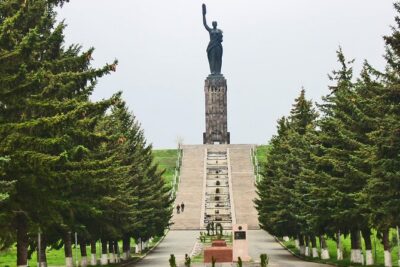
Group Tour: Gyumri (Urban Life museum, Black fortress, old town), Harichavank
Read our review →

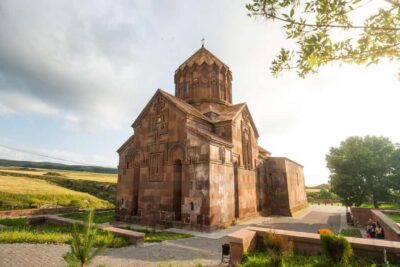
Group Tour to Gyumri: City tour, Monasteries and Culture
Read our review →
Private Professional Armenian Costume Photo Shoot
Read our review →
3 Day Private Tour with an Exclusive Visit to Gyumri
Read our review →
Private tour to Gyumri, Dzitoghtsyan Museum, Black Fortress
Read our review →Browse the lists this tour appears in