
Reviewed · GYUMRI TOURS
3 Day Private Tour with an Exclusive Visit to Gyumri
The great hook here is the range: in three days, you move from Mount Ararat views and Armenia’s oldest wine traditions to pagan temples, a cliff-cut monastery, Lake Sevan, and Gyumri’s old streets. This is not a single-theme outing. It is a fast, carefully packed introduction to Armenia’s south, center, and second city.
I like the private format, which gives you hotel pickup, your own vehicle, and room to travel with family or friends. I also like the unusual stops, especially Areni-1, where a 5,500-year-old leather shoe was found, and Gyumri’s Black Fortress. The main consideration is pace: each day covers a lot of ground, and the tour suits active sightseers more than anyone wanting long, lazy stops.
Key points at a glance
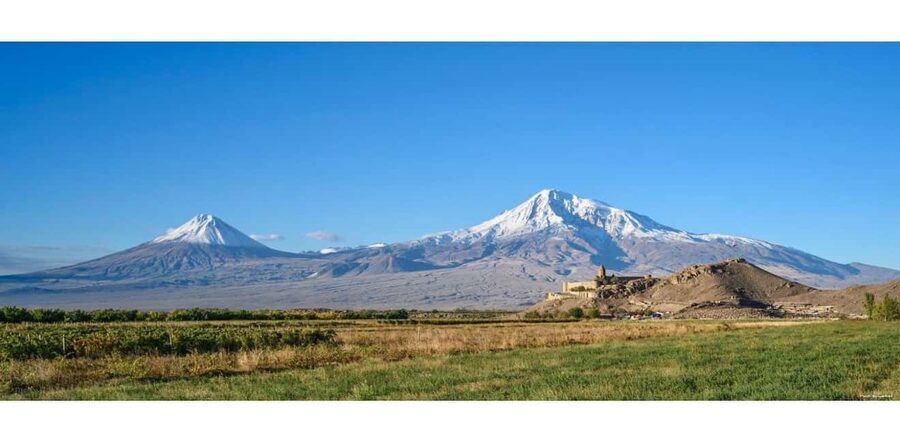
- Khor Virap offers Armenia’s classic Mount Ararat view: The monastery sits at the foot of the biblical mountain and is one of the country’s most important religious sites.
- Areni combines wine and archaeology: You taste local wine, then visit Birds Cave, where the ancient leather shoe was found.
- Noravank brings dramatic scenery and medieval architecture: The monastery is set inside an impressive canyon.
- Day two packs in Armenia’s essential sights: Garni, the Symphony of Stones, Geghard, and Lake Sevan all fit into one private outing.
- Gyumri gives the tour a different mood: Its Kumayri district, museums, churches, and Black Fortress reveal a city known for humor, craftsmanship, and strong local identity.
- Private transport keeps the trip simple: Hotel pickup and drop-off, air conditioning, Wi-Fi, water, and a vehicle sized to your group are included.
Why this three-day route works
At $247 per person, the value depends partly on your group size and whether you choose the guide option. You receive three full touring days, private transportation, hotel pickup and drop-off, an English-speaking professional driver, wine tasting, a map, bottled water, and assistance at any time. Entrance fees and meals cost extra, but the core transport is handled for you.
That matters in Armenia. The attractions are spread out, and combining them by public transport would be awkward, especially on the Khor Virap, Areni, and Noravank day. You also avoid arranging separate rides to Gyumri, where the city visits work best as part of a planned route.
The experience is offered with a car, minivan, or minibus according to group size. Air conditioning and Wi-Fi are useful on longer drives. A verified booking specifically praised the driver Georgi, so if he is assigned to your departure, you can expect a driver who has already made a good impression with at least one guest.
You can book with free cancellation up to 24 hours ahead and reserve now while paying later. Those terms help if your Armenia plans are still shifting. Just remember that the itinerary is private, not necessarily slow. A private group changes the company, not the distance between the sights.
More gyumri tours in Armenia:
- Group Tour: Gyumri (Urban Life museum, Black fortress, old town), Harichavank
★ 5.0 · 280 reviews - Museum of Illusions Tour
★ 5.0 · 84 reviews - Private tour to Gyumri old town and Marmashen monastery
★ 5.0 · 26 reviews
Day one: Ararat, Areni wine, and Noravank
Khor Virap and the mountain view
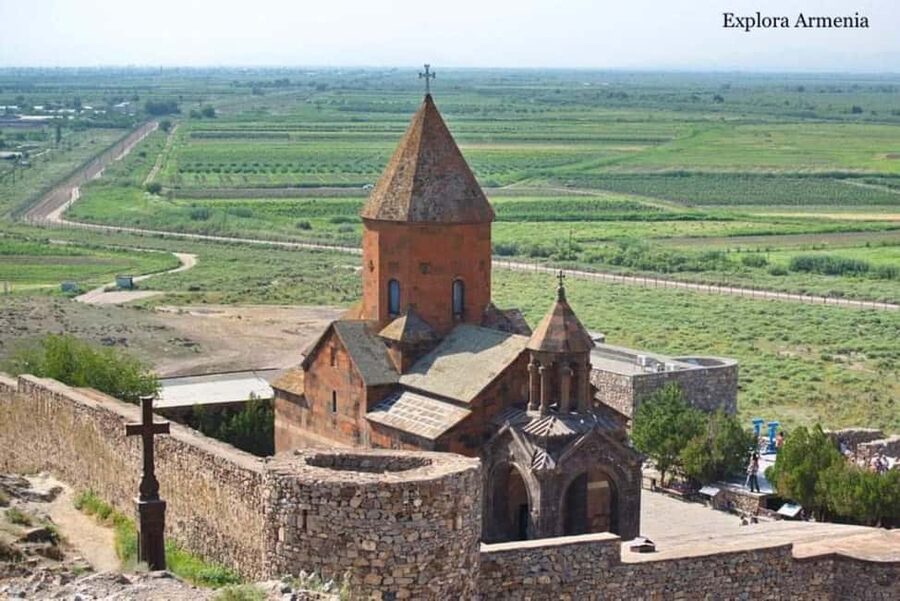
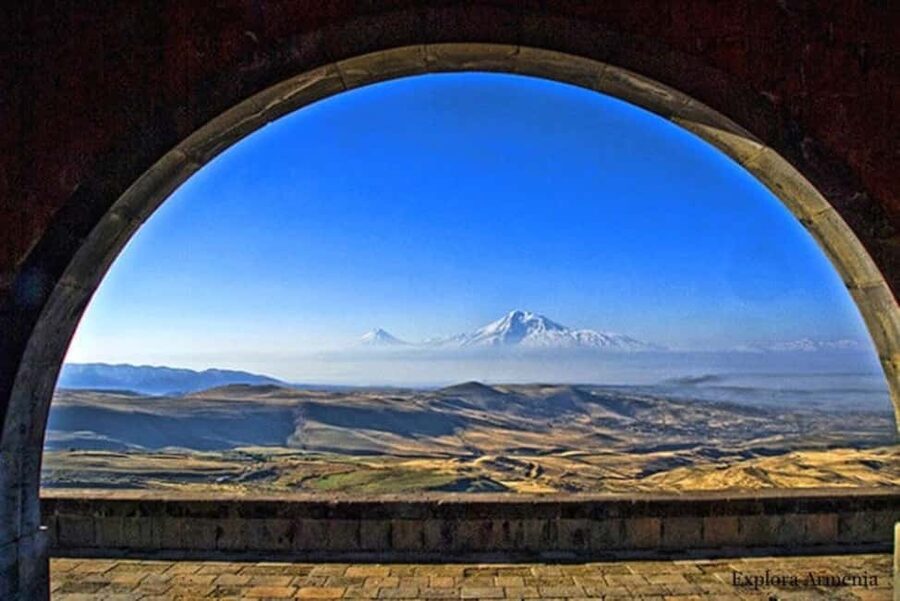
Khor Virap is the day’s strongest visual opening. The monastery sits near Armenia’s border with Turkey, with Mount Ararat rising behind it on a clear day. The mountain is deeply tied to Armenian identity, and the setting gives the religious site a powerful sense of place.
The monastery is also closely linked to Armenia’s religious and cultural past. You come here for more than a photograph. Khor Virap is one of the country’s major sanctuaries, and its position beneath Ararat helps explain why it has such emotional weight for Armenians.
The view is weather dependent. The tour promises the chance to admire Mount Ararat, but no tour can promise clear skies. Bring a phone or camera, yet give yourself time to look beyond the screen. This is one of those stops where the setting does much of the talking.
Comfortable shoes are a sensible choice from the start. The tour is not suitable for wheelchair users, so anyone with mobility concerns should consider that before booking.
Areni Winery and Armenia’s wine traditions
The route then turns toward Areni, one of Armenia’s best-known wine areas. The winery visit includes a wine degustation, giving you a direct taste of the country’s long wine-making tradition.
This is a useful stop even if you are not a serious wine enthusiast. It adds flavor and local context to a day otherwise shaped by monasteries and archaeology. You can pay attention to the tastes and aromas associated with this part of Armenia, then compare the experience with the ancient evidence found nearby at Birds Cave.
Lunch and drinks are not included, so plan your personal spending around the day. The included wine tasting is specific to Areni Winery, not a full meal or an open-ended drinks package.
A few more Armenia trips to weigh up
- Best of Armenia: private 2-3 days tour to Yerevan w/ family lunch
★ 5.0 · 38 reviews - 3 day private tours in Armenia from Yerevan
★ 5.0 · 19 reviews - 3 Day All of Armenia Private Tour from Yerevan
★ 5.0 · 3 reviews
Areni-1, known as Birds Cave
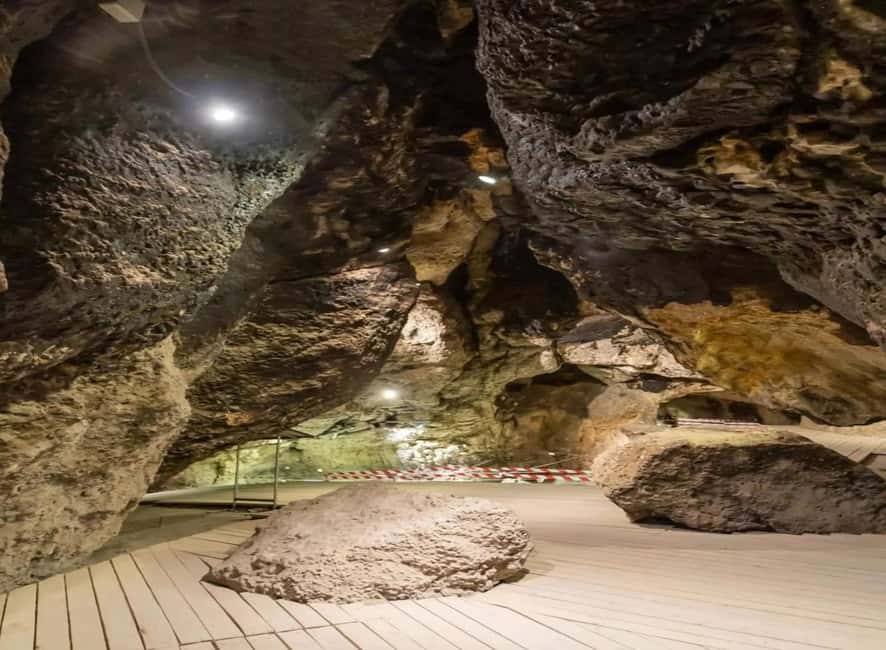
Areni-1, or Birds Cave, is one of the tour’s most distinctive stops. The cave is a rocky interior with niches and passages, and archaeological work has shown that people lived here during several different periods.
The headline discovery is a leather shoe estimated to be about 5,500 years old. It is considered the oldest shoe in the world. That simple object makes the cave surprisingly relatable. You are not only looking at ruins or stone walls. You are looking at evidence of an ancient person’s everyday life.
The entrance fee is 1,000 AMD, paid separately. The cave visit may feel more rugged than the monastery stops, so sturdy, comfortable shoes matter. It is worth keeping your expectations practical: this is an archaeological site in a rocky setting, not a polished museum attraction.
Noravank in its canyon
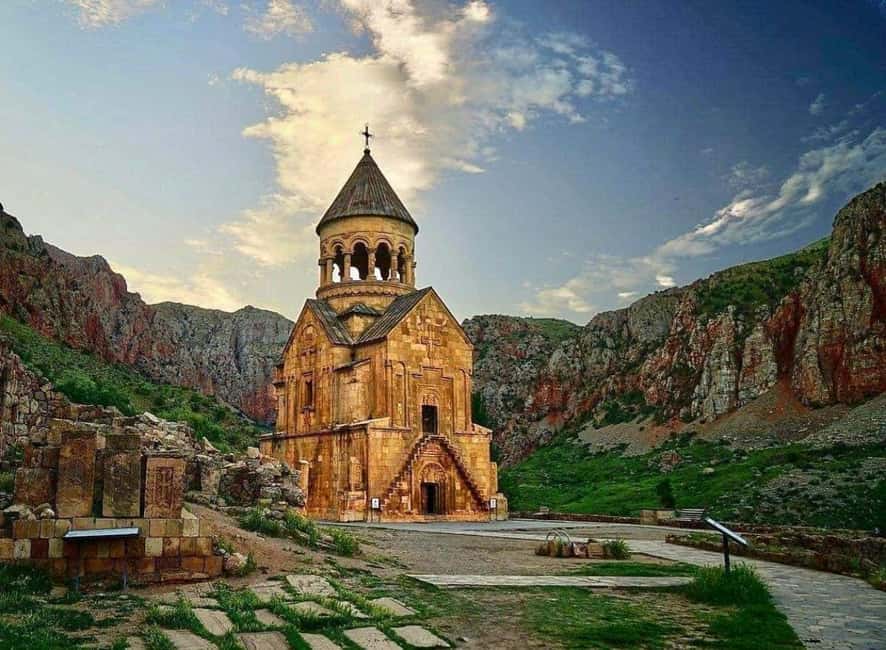
Noravank closes the day with one of Armenia’s most memorable combinations of architecture and scenery. The medieval monastery sits in an impressive canyon, surrounded by steep rock formations.
I like the order of this day. Khor Virap gives you Armenia’s broadest national symbol, Areni connects the present with ancient wine production, Birds Cave brings archaeology into the picture, and Noravank finishes with a strong architectural setting. You get variety without repeating the same kind of sight.
Noravank is often counted among Armenia’s most attractive places, but the appeal is not only visual. The monastery shows how medieval Armenian builders worked within difficult natural settings. The canyon frames the visit and makes the final stop feel distinct from Khor Virap.
Day two: Garni, Geghard, and Lake Sevan
Garni, Armenia’s surviving pagan temple
The second day begins with Garni Temple, described as the only preserved pagan temple in the Caucasus. Its construction dates to the second half of the first century, and it was dedicated to the Sun God.
Garni changes the story of Armenia. Much of the country’s best-known architecture is Christian, so this temple provides an important look at an earlier religious tradition. Its survival also makes it especially valuable for anyone interested in the period before Christianity shaped Armenia’s public monuments.
The entrance fee is 1,500 AMD. Since this is another outdoor historical site, weather-appropriate clothing will make the visit more comfortable. The tour does not include lunch, so ask about the day’s meal arrangements or budget time and money for food.
The Symphony of Stones
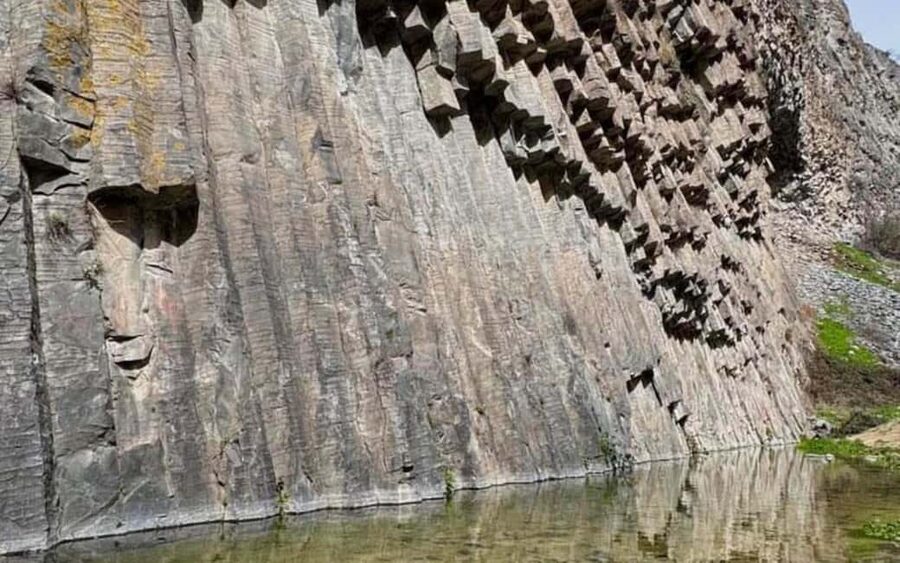
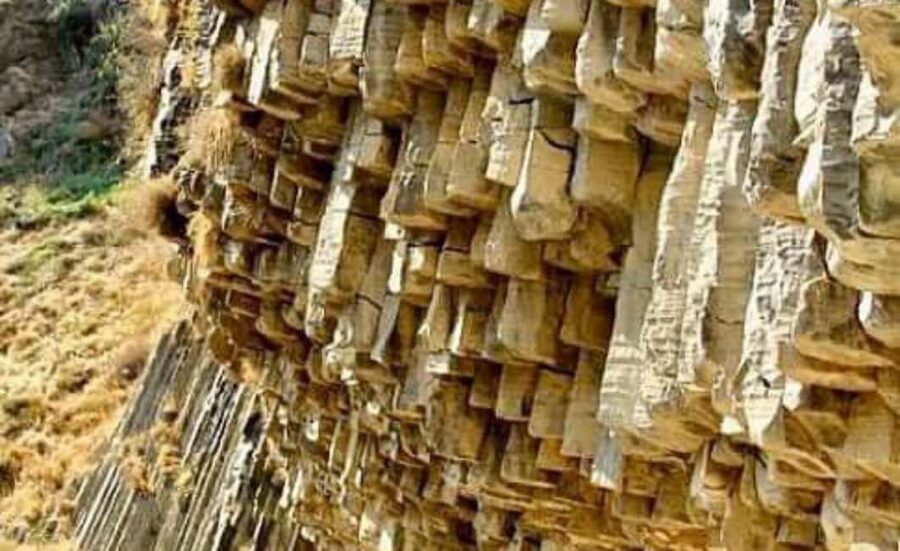
The Symphony of Stones is one of Armenia’s must-see natural sights. It is included in the Garni portion of the day and adds a change of scale after the temple.
The name refers to the unusual stone formations, which create a strong visual pattern in the gorge. You are looking at natural geology rather than a built monument, and that contrast gives the morning more variety.
The entry fee is only 300 AMD, but the key practical point is footwear. The tour involves several outdoor stops across three days, and shoes with good support will be more useful than dress shoes. If you prefer a slow walk with plenty of time for photographs, ask how long the stop will last, since the full day continues to Geghard and Lake Sevan.
Geghard and the canyon setting
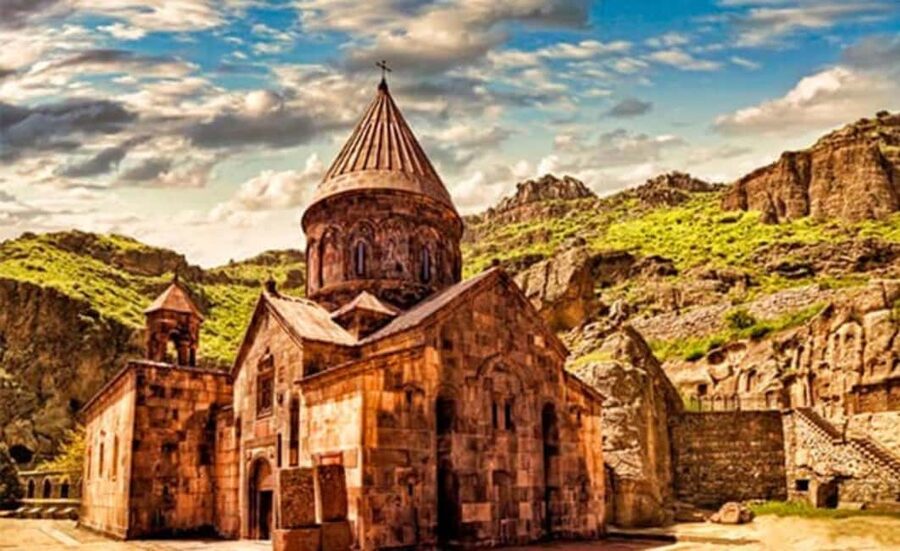
Geghard is a medieval monastery and a UNESCO World Heritage Site. Tradition says Saint Gregory founded it in the fourth century near a sacred spring.
The monastery’s character comes from its austerity and its setting among precipices and curved cliffs. The stone architecture feels tied to the canyon rather than placed beside it. This is one of the tour’s most atmospheric stops, though the word atmosphere should not obscure the practical point: you will be visiting a historic religious site, so respectful clothing and behavior are appropriate.
Geghard also gives the day a different rhythm from Garni. Garni represents a preserved pagan temple. Geghard represents medieval Christian Armenia. Put together, the two stops make the country’s religious timeline easier to understand.
Sevanavank and Lake Sevan
The final major stop is Sevanavank, a monastic complex on the peninsula of Lake Sevan. From here, you can take in the lake views and see why Lake Sevan is often called the pearl of Armenia.
After two days focused mostly on monasteries, caves, and city streets, the open water offers a welcome pause. The stop is about the monastery, but also about giving you a broad view of one of Armenia’s best-known natural sights.
The route makes day two ambitious. Garni, the Symphony of Stones, Geghard, and Sevanavank are all worthwhile, but you should not expect extended free time at every place. This is a strong day for first-time visitors who want coverage. It is less suitable if your priority is sitting quietly at one site for an hour or more.
Day three: Gyumri’s streets, churches, and Black Fortress
Dzitoghtsyan House-Museum
Gyumri gives the tour a different feel from the religious and rural sites of the first two days. The Gyumri Museum of National Architecture and Urban Life, commonly called the Dzitoghtsyan House-Museum, focuses on daily life, culture, and the city’s past.
A house museum can make a place easier to understand than a large collection of isolated objects. Here, you get a sense of how people lived and how Gyumri’s urban identity developed. It is a good first stop because it gives context before you walk through the old district.
The museum entrance costs 1,500 AMD and is not included. If you are especially interested in architecture or local domestic life, this may be one of the most rewarding paid additions on the tour.
Kumayri historic district
Kumayri is the oldest part of Gyumri and one of the few places in Armenia with authentic historic urban Armenian architecture. The area is full of local traditions and culture, making it an important counterpoint to the country’s famous monasteries.
The pleasure here comes from walking and noticing. You are seeing a city rather than a single monument. The tour description does not promise a specific café stop or shopping time, so think of Kumayri as a guided city visit, not a free afternoon.
Gyumri is also known as the city of humor. That detail matters because the city’s personality is part of the attraction. The visit is not only about old buildings. It introduces you to a place with a strong sense of local character.
Vardanants Square and two churches
Vardanants Square is Gyumri’s central square. You can walk around it and see major buildings, including the Holy Savior’s Church and the Church of the Seven Wounds of the Holy Mother of God, both built in the nineteenth century.
The square is a useful place to understand Gyumri’s civic center. It brings together religious buildings and public space in a compact part of the city. If you have already visited Armenia’s isolated monasteries, this urban setting shows how religious architecture functions inside a city.
The churches are historic sites, so the same practical advice applies as at Khor Virap, Noravank, and Geghard. Wear suitable clothing and follow any local instructions during your visit.
Black Fortress
Black Fortress is one of Gyumri’s famous monuments. It was built in 1834 and forms part of a complex of military and architectural buildings. It is included among the city’s recognized historical and cultural monuments.
The fortress adds a military chapter to a day otherwise centered on homes, churches, and streets. That makes the Gyumri route feel complete. You see domestic life at the house museum, historic urban architecture in Kumayri, religious buildings around Vardanants Square, and military architecture at Black Fortress.
The fortress visit is also a good reason to keep the Gyumri day. Some short Armenia tours rush back to Yerevan after the headline monasteries. This itinerary gives Armenia’s second city a full day, which is a better choice if you want more than the country’s most photographed sights.
What is included, and what costs extra
The price includes:
- Hotel pickup and drop-off
- Private transport suited to your group
- Air conditioning and Wi-Fi on board
- An English-speaking professional driver
- A professional guide if you choose the guide option
- Wine tasting at Areni Winery
- A map of Armenia and Yerevan
- One bottle of water per person
- Assistance around the clock
You need to pay separately for lunch, drinks, and several entrance tickets. The listed fees are 1,500 AMD for Garni, 1,000 AMD for Birds Cave, 300 AMD for the Symphony of Stones, and 1,500 AMD for the Gyumri Museum of National Architecture and Urban Life.
If you choose a guide, specify your preferred language when you send your message. The driver and guide are separate elements in the options, so confirm exactly what your booking includes before you pay.
Who should book this private Armenia tour?
I would choose this for a first visit to Armenia when I wanted to cover major sights without changing hotels. It works especially well for families and groups of friends who value a private vehicle and hotel pickup.
It also suits people with mixed interests. One person can enjoy wine, another archaeology, another churches and architecture, and another the open views around Lake Sevan. The route has enough variety to keep a small group engaged.
You should think twice if you dislike early starts, long drives, or tightly filled days. The itinerary connects distant parts of Armenia, so the reward is breadth rather than slow travel. It is also not suitable for wheelchair users, and comfortable shoes are essential.
Should you book it?
Book this tour if you want a broad, private introduction to Armenia and prefer having transport arranged for you. The strongest reasons are the unusual combination of Mount Ararat, Areni wine, Birds Cave, Noravank, Garni, Geghard, Lake Sevan, and a full Gyumri day.
Choose a different style of trip if your goal is to linger at one monastery, spend long hours tasting wine, or explore Gyumri independently. At $247 per person, the tour offers solid value for a private three-day route, particularly when shared with family or friends. Confirm the guide language, allow extra money for entrances and meals, and bring shoes made for walking.
FAQ
Is this a private tour?
Yes. The tour is organized for you, your family, and your friends rather than as a shared group experience.
Does hotel pickup and drop-off come with the tour?
Yes. Pickup and drop-off at your hotel are included, and your guide will wait in the hotel lobby.
Is a guide included?
A professional guide is included if you choose the option with guide. You should specify the language you want in your message. The tour also includes a professional English-speaking driver.
What type of vehicle is used?
The vehicle depends on the number of participants. Transport may be by car, minivan, or minibus, with air conditioning and Wi-Fi on board.
Are meals included?
No. Lunch and drinks are not included. Wine tasting at Areni Winery is included.
Which entrance fees are extra?
The separate fees listed are 1,500 AMD for Garni, 1,000 AMD for Birds Cave, 300 AMD for the Symphony of Stones, and 1,500 AMD for the Museum of National Architecture and Urban Life in Gyumri.
Can I cancel the booking?
Yes. You can cancel up to 24 hours in advance for a full refund. A reserve-now, pay-later option is also available.
Just added around Armenia
- Yerevan: Echmiadzin, Hripsime, Gayane & Zvartnots Tour★ 4.0 · 5 reviews
- Yerevan: Garni, Geghard, Lake Sevan & Dilijan Day Trip★ 3.0 · 12 reviews
- Winter Special – Tsaghkadzor, Kecharis, Abovyan & Lake Sevan★ 4.0 · 10 reviews
- Yerevan: Day Tour to Amberd Fortress, Aragats and Kari Lake★ 3.9 · 10 reviews
- Private Day Trip: Garni, Geghard, Symphony of Stones & Sevan★ 5.0 · 3 reviews
- Wine tour Areni Noravank Khor Virap Areni cave★ 5.0 · 3 reviews
- Private Day Trip to Symphony of Stones, Garni & Khor Virap★ 5.0 · 3 reviews
- Tsaghkadzor & Lake Sevan։ Winter Day Tour from Yerevan★ 4.7 · 3 reviews
Gyumri Tours, compared.
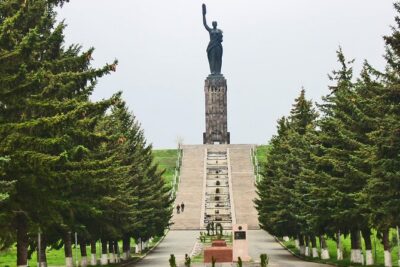
Group Tour: Gyumri (Urban Life museum, Black fortress, old town), Harichavank
Read our review →

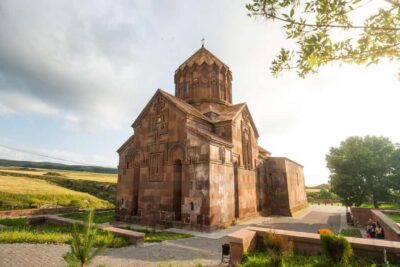
Group Tour to Gyumri: City tour, Monasteries and Culture
Read our review →

Private Professional Armenian Costume Photo Shoot
Read our review →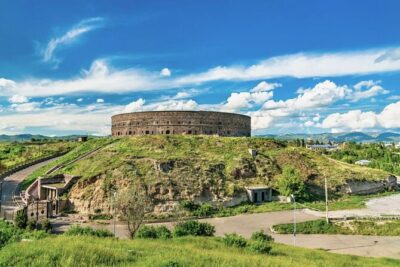
Private tour to Gyumri, Dzitoghtsyan Museum, Black Fortress
Read our review →Browse the lists this tour appears in