
Reviewed · KHOR VIRAP AND NORAVANK TOURS
Yerevan: Khor Virap, Garni, Geghard, Echmiadzin, & Zvartnots
Armenia’s story comes together in stone on this long day from Yerevan. You move from the living center of Armenian Christianity at Etchmiadzin to a ruined seventh-century cathedral, a pagan temple, a rock-cut monastery, and Khor Virap with Mount Ararat behind it. Few day trips give you such a clear view of Armenia’s religious past in one sweep.
I like the private format, especially for a group of up to three. Your driver can adjust the time at each stop, pause for photographs, and sometimes help with food or local suggestions. I also like the range of the route: Garni gives you classical columns, Geghard gives you carved stone and echoing chambers, and Khor Virap supplies the day’s big mountain view.
The one concern is pace. Five major stops in eight hours leaves roughly an hour at each place, with driving in between. That works well for a first look, but you will not study every museum or linger at every church. Khor Virap can also get crowded, and Zvartnots is closed on Mondays.
Key points to know before booking
- Mount Ararat from Khor Virap: The monastery offers one of Armenia’s most memorable views, weather permitting, plus the chance to descend its famous narrow pit ladder.
- Five major sights in one day: Etchmiadzin, Zvartnots, Khor Virap, Garni, and Geghard cover religious, pagan, classical, and medieval Armenia.
- A private group of up to three: You get hotel pickup, a private air-conditioned vehicle, bottled water, and more control over the schedule.
- Drivers make a real difference: Artur, Levon, Vazgen, Manya, Vahan, and others are praised for careful driving, cultural insight, photos, and flexibility.
- Extra costs matter: Lunch, drinks, Garni admission, and Zvartnots admission are not included in the $135 group price.
- Monday substitution: Zvartnots is closed on Mondays, so the tour replaces it with the Symphony of Stones.
Why this day trip works for a short stay in Yerevan
If you have only a day or two in Armenia, this route gives you the country’s essential sights outside Yerevan without asking you to arrange several separate rides. The private vehicle collects you at your accommodation and returns you there after about eight hours.
That convenience has real value. Public transport does not link these sights in a simple loop, and arranging separate taxis would take time and planning. Here, you can focus on the sites while the driver handles the road.
The $135 price covers the whole private group up to three, not each person. For three people, that is a strong deal. For one person, it is a more serious expense, and one solo visitor fairly described it as somewhat pricey while still finding the range worthwhile. If you are alone, compare it with a shared trip, but remember that a private vehicle gives you control over timing and avoids waiting for strangers.
The day is best for someone who wants breadth. You will see a lot, but the experience is more like a well-planned introduction than a slow archaeological study.
More Echmiadzin and Zvartnots Tours in Garni and Geghard
- Private tour to Echmiadzin (st Cathedral), Zvartnots, Khor Virap, Garni, Geghard
★ 5.0 · 67 reviews - Private 8-9-hour Echmiadzin, Zvartnots, Garni and Geghard trip from Yerevan
★ 5.0 · 62 reviews - Garni, Geghard, Echmiadzin and Zvartnots Private Tour
★ 4.8 · 30 reviews
Etchmiadzin, Armenia’s living Christian center
Etchmiadzin Cathedral is the spiritual anchor of the route. Armenian tradition says Jesus Christ chose the site for the church, and it remains the residence of the Supreme Catholicos of All Armenians.
That gives the visit a different feel from a simple ruin. You are seeing a major religious center that is still part of Armenian life, not only an old building preserved for sightseeing. The grounds and architecture deserve time, even if the cathedral interior is unavailable during restoration or special closures.
Plan for about an hour. You may have a guided explanation, then time to look around on your own. The associated museum can also be important, particularly because the story of the Geghard name connects to the spear said to have pierced Jesus Christ. Museum access can sometimes be limited when it is full, so ask your driver about the best way to handle the visit.
The main practical point is to keep expectations flexible. Etchmiadzin has been under renovation at times, and one visit found the cathedral interior closed while the grounds remained open. Even then, the site is worth seeing for its religious importance and setting.
Zvartnots and the shape of a ruined cathedral
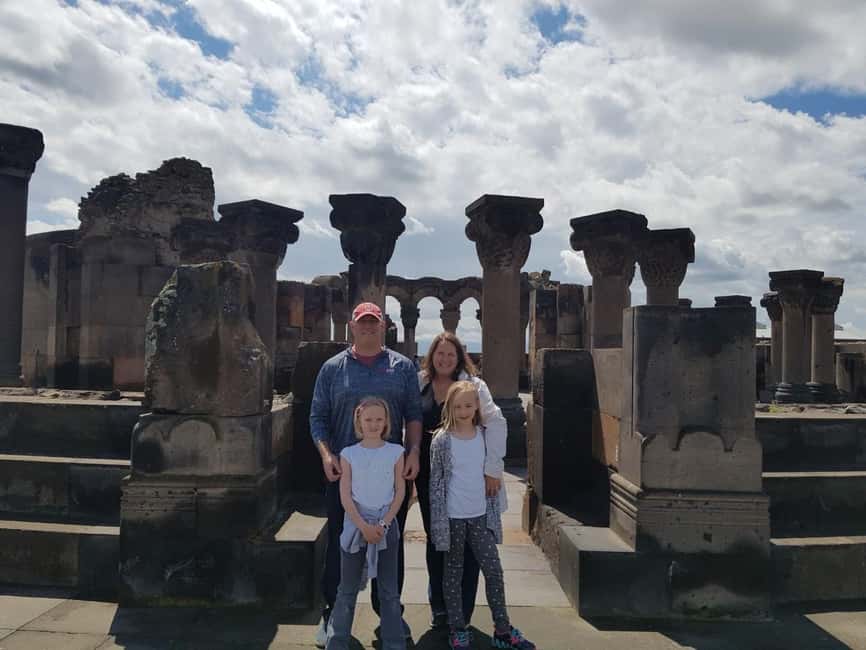
Zvartnots Cathedral was built in the seventh century and is one of the day’s most striking archaeological stops. What you see now is a grand ruin, but the surviving circular structure and scattered columns help you picture the ambition of the original building.
This stop is especially good for photographs. The open site gives you room to view the remains from different angles, and the broken stonework has a strong visual connection with the surrounding countryside.
You usually have about an hour here. That is enough to walk around, hear the main story, and take photographs without feeling trapped in a long museum visit. The stop is less physically demanding than Geghard or the pit at Khor Virap.
Zvartnots is closed on Mondays. On that day, the route substitutes the Symphony of Stones, a natural rock formation. That is not the same kind of experience, so check the day of your booking if Zvartnots is a priority. Admission to Zvartnots is not included in the tour price.
Khor Virap and the view that defines Armenia
Khor Virap is the emotional high point for many people. The monastery sits near the Turkish border, with Mount Ararat often rising behind it. The mountain is central to Armenian identity, and seeing it framed by the monastery can feel like the image you came to Armenia to find.
The view depends on weather. Clear spring, autumn, or winter days can produce a sharp outline, while haze or cloud may hide part of the mountain. Several winter trips still had excellent views, though snow and cold made warm clothing important.
Khor Virap is also tied to Gregory the Illuminator, the figure associated with Armenia’s conversion to Christianity. The site’s famous pit recalls his imprisonment. You can climb down using a narrow ladder, but the descent is not for everyone. The passage is tight, the ladder is steep, and you should wear shoes with a secure grip.
The monastery compound can be crowded, especially when buses arrive. One visitor found the interior difficult to see because of local and tour buses, so ask your driver if the timing can be adjusted. If the mountain view is your main goal, allow enough time outside before heading into the smaller chambers.
This is a good place for your driver to help with photographs. Several drivers, including Levon and Artur, have been praised for stopping at viewpoints and finding better photo positions. Do not rush the exterior. The open view is the main event.
More Echmiadzin and Zvartnots Tours in Yerevan
- Group Tour: Echmiadzin Cathedral & churches, Zvartnots Temple
★ 5.0 · 352 reviews - Private Half-day Echmiadzin Cathedral, Hripsime & Zvartnots Temple from Yerevan
★ 5.0 · 95 reviews - Khor Virap, Echmiadzin & Zvartnots UNESCO Small-Group Guided Tour
★ 5.0 · 40 reviews - Garni, Geghard, Echmiadzin and Zvartnots Private Tour
★ 5.0 · 23 reviews
Garni Temple and Armenia’s pagan past
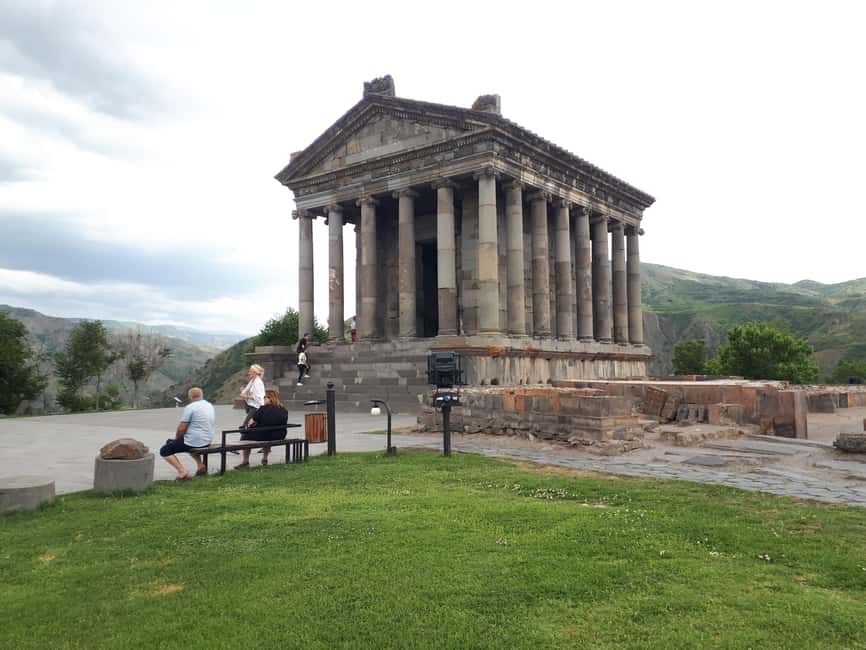
Garni changes the tone of the day. Its first-century AD temple is dedicated to Mithra, the sun god, and its classical columns look unlike the Christian churches elsewhere on the route. It is the clearest reminder that Armenia’s religious story did not begin with Christianity.
The temple is often described as a masterpiece of Hellenistic architecture in Armenia. You can walk around the structure, inspect the columns, and take in the views from the elevated site. The compact layout makes an hour useful, though you may want longer if you are interested in architectural details.
Garni admission is extra. Bring some cash or confirm current payment arrangements before leaving Yerevan, since the entrance is not part of the $135 price.
This is also the point where a food stop can improve the day. The supplied experience includes no lunch, but drivers have sometimes helped arrange local meals, traditional coffee, wine tasting, or a stop to watch fresh lavash bread being made. These additions are not guaranteed, so ask in advance if food matters to you and budget separately.
Geghard, carved into the rock
Geghard Monastery is the most atmospheric stop. It was founded in the fourth century by Gregory the Illuminator, and parts of the complex are cut directly into the surrounding rock. The stone chambers feel close and quiet after the open views at Garni and Khor Virap.
The monastery’s name comes from the Armenian word for spear and refers to the spear said to have wounded Jesus Christ. The relic is associated with Etchmiadzin’s museum, while Geghard keeps the story alive through its name and sacred setting.
Allow about an hour, and wear comfortable shoes. The ground can be uneven, and the site includes steps and tight spaces. It is not suitable for wheelchair users, and anyone with trouble on stairs should consider how much of the complex they want to enter.
Geghard rewards listening as much as looking. The stone interiors have notable acoustics. Guide Manya once demonstrated this by singing, a small human moment that showed how the building works as a space, not just as an object to photograph. If you have an English-speaking guide, ask about the acoustics and the carved details rather than hurrying through.
What the private vehicle adds
The vehicle is air-conditioned, and bottled water is included. That sounds basic, but it matters on a full route with several stops and long stretches on the road. Drivers have been praised for arriving early, driving carefully in snow, keeping the car comfortable, and waiting while you explore.
The private setup also lets you shape the day. You can spend more time at Etchmiadzin if religious sites interest you, or linger at Khor Virap if Mount Ararat is clear. You can also request photo stops along the way. Several drivers have helped solo visitors take photographs, and one even arranged drone videos as an extra gesture. Treat such extras as personal service, not a promised feature.
Language is another point to check. Armenian, English, and Russian are available, but the exact level of guiding can vary by driver. Some people booked a driver-only service and still received useful explanations about Armenian life and the sites. Another visitor found that the assigned driver did not speak English and relied on Russian instead.
If detailed interpretation is important to you, confirm whether you are booking transport with a driver or a full guide. Names praised for strong explanations include Manya, Katherine, Elen, Armand, Vahan, Zaven, Levon, Artur, and Vazgen. The specific person assigned to your day can differ.
Food, weather, and what to pack
Lunch and drinks are not included. That gives you flexibility, but it also means you should not assume a meal is built into the schedule. Drivers have sometimes recommended restaurants in Yerevan, found vegetarian food, arranged local wine tasting, or stopped for lavash, cheese, vegetables, and herbs.
Winter changes the character of the trip. Snow can make the monasteries look beautiful, but daylight is shorter and roads may take longer. Bring snow clothing, sunscreen, and comfortable shoes. Sunscreen matters even in cold weather, particularly at exposed sites such as Khor Virap and Zvartnots.
Short skirts and shorts are not allowed. Choose respectful clothing that covers the knees and shoulders, especially for the churches and monasteries. You will be more comfortable and will avoid having to improvise at the entrance.
The tour is not suitable for wheelchair users. Geghard’s steps, tight passages, and uneven ground are the main concern, while the narrow pit at Khor Virap also requires good mobility.
How to get the most from eight hours
I would start with a clear idea of your priorities. You cannot give every place a long, unhurried visit in one day, so decide whether your focus is Armenian Christianity, ancient architecture, photography, or simply seeing the major sites.
Ask the driver at the start how long the road sections are and where you can adjust the order. An early departure may help with crowds and daylight, particularly in winter. Khor Virap is worth timing carefully because buses can make the small interior feel packed.
Keep some time for the unexpected. A scenic viewpoint, a bakery stop, a coffee, or a short conversation about daily life can make the route feel less like a checklist. The best drivers described in the supplied experiences did more than point out buildings. They shared local context, took photographs, and helped the day feel relaxed.
You should also leave room for weather. Mount Ararat may be hidden, the ground may be snowy, or an interior may be closed for restoration. The route remains worthwhile because each stop offers something different, but its strongest image depends on conditions you cannot control.
Should you book this Armenia day trip?
Book it if you want the most important sights around Yerevan in a single private day, especially if you are traveling with two other people. The $135 group price is good for three, and the ability to choose your pace adds value that a fixed coach trip cannot offer.
It is also a smart choice for solo visitors with limited time who care more about convenience than the lowest possible price. You get hotel pickup and drop-off, a private air-conditioned vehicle, bottled water, and a driver who may provide useful local insight even when the booking is transport-focused.
Skip it if you prefer slow visits, long museum time, or a very small number of sites each day. The route is full, and admissions and lunch cost extra. But if you want Garni’s pagan columns, Geghard’s stone chambers, Etchmiadzin’s living faith, Zvartnots’ ruins, and Khor Virap’s Mount Ararat view before dinner, this is one of the most efficient ways to do it.
FAQ
How long does the tour last?
The tour lasts about eight hours, including pickup from and return to your accommodation in Yerevan.
How many people can join the private group?
The price covers a private group of up to three people.
What languages are available?
The listed languages are Armenian, English, and Russian. The exact driver or guide assigned to your booking may vary, so confirm your preferred language when arranging the tour.
Is lunch included?
No. Food and drinks, including lunch, are not included. Garni and Zvartnots entrance tickets are also separate.
Is Zvartnots open every day?
No. Zvartnots Temple is closed on Mondays. Monday departures replace that stop with the Symphony of Stones.
What should I bring?
Bring sunscreen, snow clothing when needed, and comfortable shoes. Shorts and short skirts are not allowed, and the tour is not suitable for wheelchair users.
More Khor Virap and Noravank Tours in Garni and Geghard
- Group Tour: Khor Virap, Garni temple, Geghard, Lavash baking
★ 5.0 · 333 reviews - Private 7-8-hour Khor Virap, Garni temple & Geghard monastery trip from Yerevan
★ 5.0 · 272 reviews - Khor Virap, Azat Reservoir, Garni & Geghard Small-Group Day Trip
★ 5.0 · 61 reviews - Khor Virap, Garni & Geghard Guided Tour with Lavash Baking
★ 4.7 · 49 reviews
More Garni and Geghard Tours in Yerevan
- Group Tour: Garni, Symphony of Stones, Geghard, Lavash Baking
★ 5.0 · 1,042 reviews - Garni & Geghard Small-Group Day Trip with Lavash Baking
★ 4.8 · 881 reviews - Yerevan: Garni, Geghard, Symphony of Stones & Lavash Baking
★ 4.8 · 758 reviews - Yerevan: Garni, Geghard, Symphony of Stones & Lavash Baking
★ 5.0 · 589 reviews
Just added around Yerevan
- Yerevan: Garni, Geghard, Lake Sevan & Dilijan Day Trip★ 3.0 · 12 reviews
- Winter Special – Tsaghkadzor, Kecharis, Abovyan & Lake Sevan★ 4.0 · 10 reviews
- Private Yerevan City Tour with museums★ 5.0 · 5 reviews
- Yerevan Walking Tour★ 5.0 · 3 reviews
- Yerevan City Tour★ 5.0 · 9 reviews
- Group Tour: Sightseeing and walking tour in Yerevan★ 5.0 · 3 reviews
- Unlock the Yerevan City (Walking Tour)★ 5.0 · 3 reviews
- Vayots Dzor Areni Wine Route★ 3.5 · 3 reviews
Khor Virap and Noravank Tours, compared.
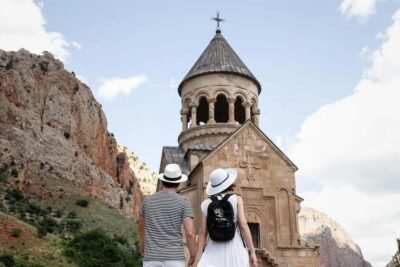
Khor Virap, Noravank and Birds’ Cave Trip with Wine Tasting
Read our review →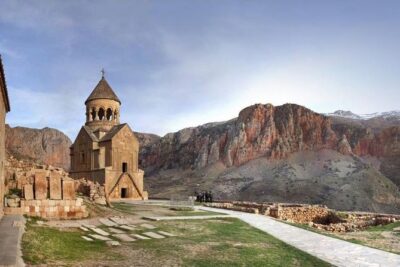
Group tour: Khor Virap, Noravank, Areni Winery and Cave
Read our review →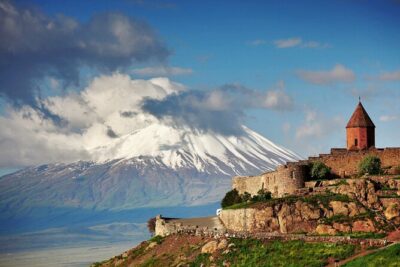
Group Tour: Khor Virap, Garni temple, Geghard, Lavash baking
Read our review →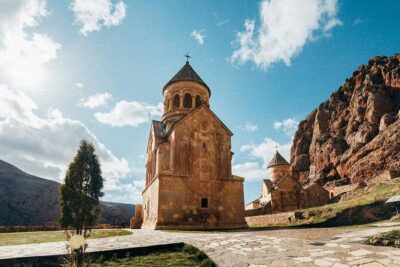
Khor Virap, Noravank & Birds’ Cave Day Trip with Wine Tasting
Read our review →
Private 7-8-hour Khor Virap, Garni temple & Geghard monastery trip from Yerevan
Read our review →
Guided tour: Khor Virap, Noravank Monastery, Areni, Jermuk
Read our review →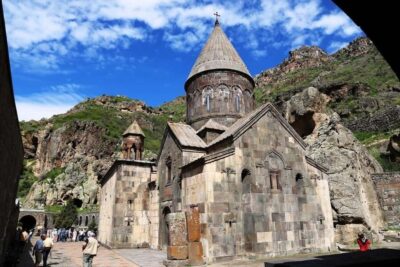
Khor Virap, Garni, Geghard, Syphony & Charents Arch + Lavash
Read our review →
Group Tour: Hin Areni Winery, Tatev (wayback on Ropeway), Khndzoresk Caves
Read our review →Browse the lists this tour appears in