
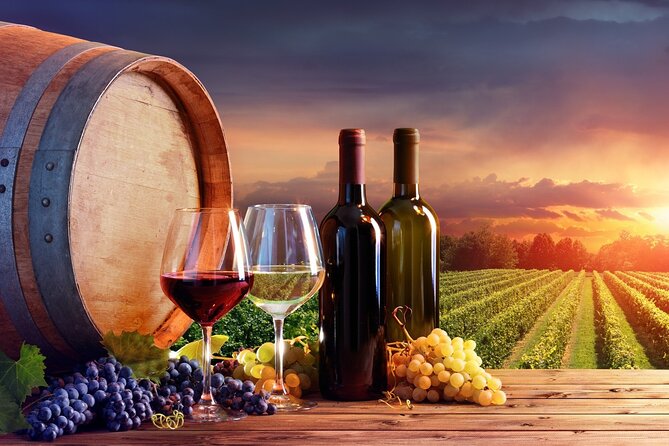
Reviewed · KHOR VIRAP AND NORAVANK TOURS
Vayots Dzor Areni Wine Route
Armenia’s wine story reaches back about 6,000 years, and this route puts that claim in a real place: T’rchuneri, or Bird, Cave near Areni. You’ll pair the cave with two winery visits, a private guide, and the red-rock setting of Noravank Monastery.
I like the private vehicle, which gives your group a more relaxed day than a large bus tour. I also like the mix of wine and culture: you are not spending six hours only at tasting tables. The main concern is practical: the experience has a 3.7 rating from just three ratings, including one account of a no-show, so confirm the pickup before setting out.
Key points
- A 6,000-year wine connection: T’rchuneri Cave contains evidence of an early winery, including a wine press and traces linked to red wine.
- Two winery stops: Momik Wines and Old Bridge Winery each include a tour and tasting.
- Noravank adds cultural depth: The 13th-century monastery sits beside sharp red cliffs in a narrow gorge.
- Private touring: Only your group participates, with transport in a private vehicle from Yerevan.
- A full-day outing: The planned stops take about three hours, while the complete experience lasts roughly six to eight hours.
- Check the departure carefully: Pickup is offered at 10:00 a.m., but one booking failed because the operator said it had not received the reservation.
Why Armenia’s oldest wine trail begins in a cave
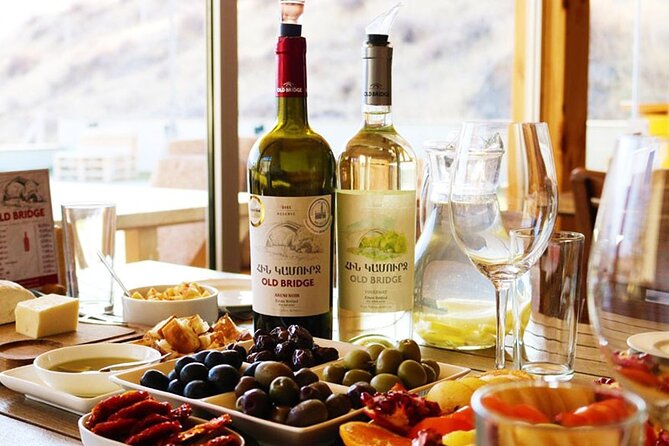
Vayots Dzor is one of Armenia’s key wine regions, and this excursion gives you a useful way to understand why. Instead of treating wine as a modern tasting-room product, the route connects today’s bottles with an archaeological site, working vineyards, and a medieval monastery.
The first stop, T’rchuneri Cave, is the most unusual part of the day. For a long time, local caves were treated as ordinary places where children played. Excavations that began in 2007 changed that picture. Researchers found evidence that Areni Cave had served religious and economic purposes, including a room with a wine press.
The press had a hard surface that directed liquid into a jug. Seeds, stems, and the compound responsible for red wine’s color were also found. This led scientists to date winemaking at the site to about 6,000 years ago.
That detail matters because it gives the tasting stops a clear setting. You are not simply sampling Armenian wine in a city restaurant. You are visiting a region where wine production has very old roots, then seeing how modern producers present that tradition today.
The cave visit is scheduled for 30 minutes, with admission included. That is enough time for an introduction and a look at the archaeological setting, but not enough for a slow, extensive archaeological tour. If you are especially interested in ancient wine production, ask your guide to explain how the press worked and what the excavated plant remains reveal.
More khor virap and noravank tours in Yerevan:
- Khor Virap, Noravank and Birds’ Cave Trip with Wine Tasting
★ 4.8 · 845 reviews - Group tour: Khor Virap, Noravank, Areni Winery and Cave
★ 5.0 · 651 reviews - Group Tour: Khor Virap, Noravank, Tatev monasteries (wayback on Ropeway)
★ 5.0 · 506 reviews
The 10:00 a.m. departure from Yerevan
The experience begins at 10:00 a.m. in Yerevan, with pickup offered. You travel by private vehicle toward Vayots Dzor, and only your own group takes part.
That private format is a real advantage. You do not have to organize yourself around strangers, and you can ask the guide about Armenian wine, the region, or the sites as you go. The supplied information does not name the guide, so you should not expect to select a particular host.
The total outing lasts about six to eight hours. The four listed stops account for about three hours:
- T’rchuneri Cave: 30 minutes
- Momik Wines: 1 hour
- Noravank Monastery: 45 minutes
- Old Bridge Winery: 45 minutes
The remaining time covers driving between Yerevan and the Vayots Dzor sites. That makes this a substantial day trip, not a quick tasting outside the capital. You should allow room in your schedule for a late return, since the stated duration is approximate.
A private ride also matters because the route combines several stops that are spread through the region. You get the convenience of door-to-door transport rather than trying to coordinate separate visits to a cave, monastery, and wineries.
T’rchuneri Cave and the birth of Armenian wine
At T’rchuneri Cave, your guide introduces the archaeological evidence behind Armenia’s ancient wine claim. The site is often called Areni Cave in descriptions of the excavation, while the stop is listed as T’rchuneri, or Bird, Cave.
The wine press is the key feature. Its design, with a firm surface draining into a vessel, shows that people were processing grapes rather than merely storing them. The seeds and stems add another piece of the puzzle. The evidence points to organized production in the cave roughly 6,000 years ago.
This is a short stop, so think of it as a focused introduction rather than a large museum visit. The attraction is the connection between a physical archaeological site and the wine you will taste later. That link gives the day more purpose than a pair of unrelated winery visits.
The cave may also appeal to visitors who are not serious wine drinkers. The excavation changed what people understood about the site, and the religious and economic uses add context beyond the wine press itself.
Admission is included. Since the information provided does not describe the cave’s interior conditions, displays, or walking surface, ask the operator what to expect if you have specific mobility concerns or want a detailed archaeology visit.
Momik Wines: your first guided tasting
Momik Wines follows the cave with a one-hour winery tour and tasting. This is your first chance to compare the ancient evidence with current winemaking in Vayots Dzor.
The hour should give the guide time to explain the winery and present the tasting without making the stop feel rushed. The exact wines are not specified, so you should not assume a particular grape, number of pours, or food pairing.
The value here is the personal attention. A private tour can make it easier to ask direct questions about Armenian wine, local production, or the relationship between the vineyards and the finished bottles. If you have limited wine experience, tell the guide. A private setting is usually better suited to questions than a large public tasting, though the exact format depends on the winery.
Because the tour includes two separate winery visits, try to treat the first tasting as a point of comparison rather than the only wine stop. Pay attention to how each producer explains its work and how the wines differ. The tour description promises a winery tour and tasting, but it does not list a meal, so do not count on lunch being provided.
More areni wine tours in Yerevan:
- Group Tour: Lake Sevan, Hayravank, Noratus, Jermuk, winery
★ 5.0 · 256 reviews - Group Tour: Hin Areni Winery, Tatev (wayback on Ropeway), Khndzoresk Caves
★ 5.0 · 192 reviews - Group Tour: Shaki waterfall, Tatev monastery & ropeway, Hin Areni winery
★ 5.0 · 185 reviews - Yerevan: Tour to Tatev, Khndzoresk, Shaki waterfall, Areni winery
★ 5.0 · 145 reviews
Noravank Monastery beneath red cliffs
Noravank is the cultural centerpiece of the route. The name means New Monastery in Armenian, though the monastery is now more than seven centuries old. It was built in the 13th century on a ledge above the Amaghu River, near Yeghegnadzor.
The setting is a large part of the appeal. Narrow winding gorge walls rise around the monastery, and the spare stone buildings contrast with sharp red rock cliffs. After the wine cave and tasting room, this stop changes the pace and gives you a glimpse of Armenia’s religious and architectural past.
The visit lasts 45 minutes, and admission is free. That is enough for a look around the monastery and time to take in the surrounding gorge, though it is not a full guided study of every building or carving.
Noravank is sometimes called Amagu Noravank to distinguish it from another monastery with the same name near Goris. The name Amagu comes from a small settlement that once stood above the gorge. That bit of local geography helps explain why place names can be confusing on an Armenia itinerary.
I like this stop because it prevents the day from becoming a sequence of commercial tastings. You get a historic site with a strong visual setting, and the short visit fits neatly into the wine route. If your main goal is wine, 45 minutes is probably sufficient. If you want a long architectural visit, you may find the schedule brief.
Old Bridge Winery and the second tasting
Old Bridge Winery is the final listed stop, with 45 minutes for a tour and tasting. Placing a second winery later in the day gives you a useful basis for comparison with Momik Wines.
The tour description does not provide details about Old Bridge’s facilities, wine varieties, or tasting menu. What you can count on is a winery visit and wine tasting included in the price. Ask the guide to point out differences between the two producers, especially in their approach to local grapes and production.
The shorter time here may suit you if you want a compact introduction to several producers rather than one long winery visit. On the other hand, dedicated wine enthusiasts may want more time at each stop. This route favors variety and regional context over a detailed technical course in viticulture.
The two tastings also make pacing important. Eat beforehand if you need a substantial meal, since no lunch is listed. You may find the day more comfortable if you treat the tastings as samples and keep water on hand.
What $192 means for value
The price is $192 per person. That is not a bargain day trip, but the comparison should be made against what is included: private transport from Yerevan, a private guide, a full route into Vayots Dzor, admission to T’rchuneri Cave, and tours and tastings at two wineries.
For two people, the price buys privacy and convenience rather than the lowest possible fare. You are paying to avoid arranging transport, finding the wineries, and fitting Noravank and the cave into one route. If your group is larger, group discounts may improve the value, though no discount amount is provided.
I would see the cost as easier to justify for a group that wants control over the day. It is less compelling if you only want one winery tasting or if your budget is tight and you are happy with a shared excursion.
The route also offers more than wine. The ancient cave and Noravank give you two distinct cultural stops, while the private format lets you ask questions and travel with people you know. That combination is the strongest argument for the price.
Still, the operator record deserves attention. The current rating is 3.7 from three ratings, and one account describes a complete no-show after payment. The response attributed the problem to a failure to receive the booking through Viator and said the matter had been escalated. That does not prove the tour will fail, but it is enough reason to confirm your reservation and pickup directly before the morning of departure.
Who will get the most from this route
This experience suits you best if you want a private day outside Yerevan and prefer a broad introduction to the region. It works particularly well for:
- Couples or families who want their own vehicle
- Visitors interested in both wine and Armenian religious sites
- People who want a guide to connect archaeology with modern winemaking
- Small groups that may benefit from a group discount
- First-time visitors who want transport handled for them
It may not suit you as well if you want a long, technical winery education, a full meal, or a very flexible schedule. The stops have fixed approximate times, and the day covers a lot of ground.
The tour also requires realistic expectations. The cave visit is only 30 minutes, and each winery stop is under an hour. You will get an overview of Vayots Dzor wine country, not an exhaustive study of every producer or vineyard.
Practical advice before you book
Confirm the 10:00 a.m. pickup location and ask for a direct contact number for the provider. The supplied details do not name the guide, so make sure you know who will meet you and how the vehicle will be identified.
Ask what is included in each tasting. The tour promises wine tastings at Momik Wines and Old Bridge Winery, but it does not state the number of wines, food pairings, or whether lunch is available.
Plan for six to eight hours away from Yerevan. The drive is part of the experience, and the route works best when you are comfortable giving up most of the day.
Free cancellation is available if you cancel at least 24 hours before the local start time. Inside that 24-hour window, the amount paid is not refunded, and changes are not accepted.
Should you book the Vayots Dzor Wine Route?
Book it if you want a private, well-rounded day that links Armenia’s ancient wine production with two present-day winery visits and the dramatic Noravank Monastery. The strongest features are the private vehicle, the archaeological setting at T’rchuneri Cave, and the balance between wine and culture.
I would pause before booking if your priority is flawless communication or a highly detailed wine course. The small number of ratings and the reported no-show make advance confirmation essential. For a private group willing to check the arrangements and spend $192 per person, this is a practical way to reach Vayots Dzor without building the route yourself.
FAQ
Where does the Vayots Dzor Wine Route begin?
The experience begins in Yerevan, Armenia, with pickup offered at a 10:00 a.m. start time.
How long does the tour last?
The tour lasts approximately six to eight hours.
Is this a private tour?
Yes. Only your group participates, and transportation is provided in a private vehicle.
What places does the tour visit?
The route visits T’rchuneri, or Bird, Cave, Momik Wines, Noravank Monastery, and Old Bridge Winery.
Are winery tours and tastings included?
Yes. The experience includes a tour and wine tasting at Momik Wines and another tour and wine tasting at Old Bridge Winery.
Is admission to T’rchuneri Cave included?
Yes. Admission to T’rchuneri Cave is included.
Does Noravank Monastery charge an admission fee?
No. Admission to Noravank Monastery is listed as free.
How much does the tour cost?
The listed price is $192 per person. Group discounts are offered, but the discount amount is not specified.
Can I cancel for a full refund?
Yes, if you cancel at least 24 hours before the experience start time. Cancellations or changes made less than 24 hours before the start are not refunded or accepted.
More Wine Tours in Yerevan
- Khor Virap, Noravank & Birds’ Cave Day Trip with Wine Tasting
★ 5.0 · 320 reviews - Tatev & Shaki Waterfall Guided Group Tour with Wine Tasting
★ 5.0 · 266 reviews - Yerevan: Tatev Day Trip with Shaki Waterfall & Wine Tasting
★ 4.9 · 193 reviews - Lake Sevan & Dilijan Guided Day Trip with Ijevan Wine Tour
★ 4.7 · 135 reviews
Just added around Yerevan
- Yerevan: Garni, Geghard, Lake Sevan & Dilijan Day Trip★ 3.0 · 12 reviews
- Winter Special – Tsaghkadzor, Kecharis, Abovyan & Lake Sevan★ 4.0 · 10 reviews
- Private Yerevan City Tour with museums★ 5.0 · 5 reviews
- Yerevan Walking Tour★ 5.0 · 3 reviews
- Yerevan City Tour★ 5.0 · 9 reviews
- Group Tour: Sightseeing and walking tour in Yerevan★ 5.0 · 3 reviews
- Unlock the Yerevan City (Walking Tour)★ 5.0 · 3 reviews
- Amazing Yerevan★ 5.0 · 7 reviews
Khor Virap and Noravank Tours, compared.
Khor Virap, Noravank and Birds’ Cave Trip with Wine Tasting
Read our review →
Group tour: Khor Virap, Noravank, Areni Winery and Cave
Read our review →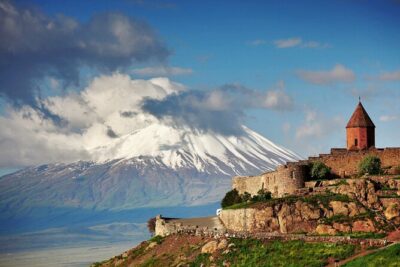
Group Tour: Khor Virap, Garni temple, Geghard, Lavash baking
Read our review →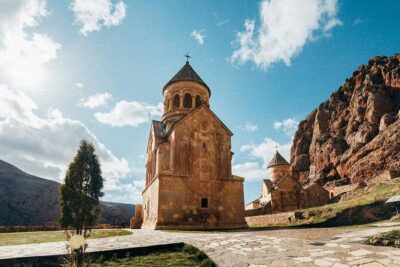
Khor Virap, Noravank & Birds’ Cave Day Trip with Wine Tasting
Read our review →
Private 7-8-hour Khor Virap, Garni temple & Geghard monastery trip from Yerevan
Read our review →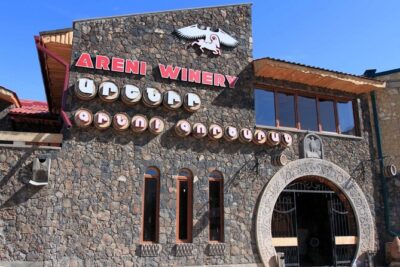
Guided tour: Khor Virap, Noravank Monastery, Areni, Jermuk
Read our review →
Khor Virap, Garni, Geghard, Syphony & Charents Arch + Lavash
Read our review →
Group Tour: Hin Areni Winery, Tatev (wayback on Ropeway), Khndzoresk Caves
Read our review →Browse the lists this tour appears in