
Reviewed · KHOR VIRAP AND NORAVANK TOURS
From Yerevan: Khor Virap Monastery, Winery & Birds Cave Tour
Khor Virap gives this day its big moment: from the monastery, Mount Ararat may rise across the plain, a powerful view tied to Armenia’s faith and identity. I like the mix of sacred sites and practical archaeology, especially the oldest leather shoe found at Birds Cave and the remarkable two-storey church at Noravank.
I also like the value. For $36, you get transport, admissions, a bilingual guide, bottled water, sweets, WiFi, and wine tasting. The main catch is the size: groups can reach about 45 to 50 people, and English and Russian commentary can make the day feel slower than a private tour.
Key points to know before you book
- Mount Ararat from Khor Virap: The clearest views depend on weather, but the monastery offers one of Armenia’s most memorable mountain outlooks.
- Birds Cave archaeology: See the cave linked to a 5,500-year-old leather shoe and an ancient wine-making site believed to date to 4000 BC.
- Hin Areni tasting: Sample Armenian wine after a short winery visit, with some reserve wines available for an extra charge.
- Noravank’s two-storey church: St. Astvatsatsin is Armenia’s only church built in two levels.
- Good one-day value: The $36 price covers transport, entry fees, a bilingual guide, water, sweets, WiFi, and tasting, but not lunch.
- Prepare for walking: Steps, uphill paths, and uneven ground make comfortable shoes essential. Shorts and short skirts are not permitted.
Why this route works in one long day
This is a packed southern Armenia outing, but it has a clear rhythm. You leave the Hyur Service office at 96 Nalbandyan Street in Yerevan at 10 AM, then move from a major pilgrimage site to an archaeological cave, a winery, lunch, and a mountain monastery.
I like that the stops do not all tell the same story. Khor Virap is about Christianity and Armenia’s national identity. Birds Cave connects you with daily life thousands of years ago. Hin Areni brings the story into the present through wine, while Noravank shows how medieval Armenian builders worked with stone and steep mountain terrain.
The full day lasts about 10 hours. That means you see several important places without arranging separate taxis or figuring out intercity transport, but you should not expect a slow, private experience. Seats are not fixed in advance, so arriving 15 to 30 minutes early helps with check-in and gives you a better chance of choosing a seat you like.
The bus is air-conditioned and includes WiFi, though you should not count on those features working perfectly every time. One recent trip had WiFi and USB problems, while another had poor air-conditioning in hot weather. Bring water, even though bottled water is supplied, and dress for the conditions outside rather than relying only on the bus temperature.
More Khor Virap and Noravank Tours in Areni and Vayots Dzor
- Group tour: Khor Virap, Noravank, Jermuk, Areni wine tasting
★ 4.8 · 93 reviews - Enlightened Armenia: Echmiadzin, Khor Virap, Noravank, Areni
★ 4.9 · 9 reviews - Private Day Trip to Jermuk, Noravank & Khor Virap
★ 5.0 · 5 reviews
Khor Virap and the view toward Mount Ararat
Khor Virap is the first major stop, with about an hour for a guided visit, walking, sightseeing, and free time. The monastery is Armenia’s best-known pilgrimage site, and its setting makes clear why it appears on so many day-trip routes.
The site is linked to the arrival of Christianity in Armenia, while the current monastery buildings date from the 17th century. Your guide puts the architecture and religious importance into context, so this is more than a quick photo stop.
The view is the main prize. On a clear day, Mount Ararat fills the horizon beyond the monastery and the broad plain. The mountain is outside Armenia today, but it remains central to Armenian culture and memory. I would treat the view as weather-dependent rather than guaranteed. Even when clouds obscure the summit, the open setting still gives you a strong sense of the country’s geography.
You will walk around the monastery and may encounter steps or uneven surfaces. The tour is not suitable for wheelchair users, and that limitation understates the physical side of the visit a little. If you have trouble with uphill walking, take your time and wear shoes with a firm sole.
This is also the point where a good guide matters. Guides such as Karen, Marina, Arpina, Tamara, Hayk, and Edward have been praised for clear English, strong storytelling, organization, and a willingness to answer questions. Since the commentary is bilingual, explanations may come in English and Russian one after the other. That is useful for a mixed group, though it can make the ride and stop instructions feel long.
Birds Cave and the oldest leather shoe
From Khor Virap, the route continues to Areni-1 Cave, often called Birds Cave, on the left bank of the Areni River. The visit lasts around 40 minutes, including a guided walk and time for photographs.
The cave has three halls, and much of it remains unexplored. Its importance comes from what archaeologists found inside: dried grapes, rope, dishes, clothing, and the oldest leather shoe in the world. The shoe is about 5,500 years old, making this a rare chance to connect a major archaeological discovery with the actual cave where it was found.
The cave also contained evidence of a very early winery, believed to have existed since 4000 BC. That detail gives the later wine tasting more meaning. You are not simply stopping at a modern producer in a wine village. You are following a local tradition back to one of its earliest known settings.
Birds Cave may be the least visually dramatic stop of the day. It is a working archaeological site rather than a polished museum, and the visit is fairly short. If you prefer grand buildings and sweeping views, you may find it modest. I think it earns its place because the objects linked to the cave make the stop unusually concrete: a shoe, tools, food remains, and signs of wine production tell you how people lived.
Wear shoes that can handle uneven ground. The information is the main reward here, so listen closely to the guide and ask questions if you want more detail about the discoveries.
Hin Areni wine, tasting, and lunch
The next stop brings you to Hin Areni Winery in the village of Areni. The winery visit takes about 30 minutes, followed by a separate lunch period of roughly one hour.
The tasting is included in the tour price. You can expect to sample Armenian wine after hearing about the local production process. One tasting experience included three glasses each of standard and reserve wines, although reserve selections required an extra payment. If you want those, carry cash and ask about the price before ordering.
I like the connection between the winery and Birds Cave, but you should set your expectations correctly. This is a short group visit, not a long specialist wine seminar. The explanation may be fairly basic, and the tasting can feel rushed if you are used to smaller European winery tours. The wine itself is a matter of taste, too. Some people will enjoy discovering Armenian varieties, while others may find the selection less impressive.
Lunch is not included. You choose from three meal options before arrival and pay at the restaurant in cash. The stated cost is $8 to $11, and the meal takes place in a comfortable setting surrounded by striking natural scenery. A vegan option has been available, which is useful if you have dietary needs, but you should make your choice in advance rather than wait until you sit down.
At this price, the lunch arrangement is fair. You are not being forced into an expensive meal, and $8 to $11 is modest for a planned stop. Bring Armenian dram or another accepted form of cash, since the tour information specifically requires cash payment.
Near the winery, you also see the architecture of St. Astvatsatsin Church. This adds another small cultural stop before the road heads toward Noravank.
More khor virap and noravank tours in Armenia:
- Khor Virap, Noravank and Birds’ Cave Trip with Wine Tasting
★ 4.8 · 845 reviews - Group tour: Khor Virap, Noravank, Areni Winery and Cave
★ 5.0 · 651 reviews - Group Tour: Khor Virap, Noravank, Tatev monasteries (wayback on Ropeway)
★ 5.0 · 506 reviews - Group Tour: Khor Virap, Garni temple, Geghard, Lavash baking
★ 5.0 · 333 reviews
The road to Noravank
The drive to Noravank is one of the most enjoyable parts of the day. The road narrows as it runs between dramatic rock formations, with caves cut into or opening along the surrounding stone.
This is where I would sit by the window if possible. Because seats are not assigned, arriving early has a practical benefit beyond check-in. You get a better chance of enjoying the views during one of the most scenic stretches of the route.
The journey also helps explain Noravank’s appeal. The monastery is not an isolated building placed at random. It sits in a confined mountain setting, surrounded by red and rugged rock. The approach gives you time to see how the site relates to its surroundings before you begin the walking visit.
On a bilingual tour, the guide may be speaking for much of the ride. Some groups have enjoyed Armenian music played on the coach, which adds atmosphere without taking over the trip. Still, if you prefer quiet, bring headphones for parts of the drive.
Noravank’s 13th-century stonework
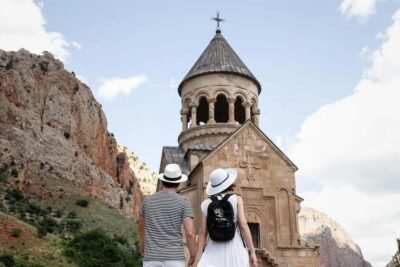
Noravank receives about an hour, with time for a guided visit, photographs, walking, and free exploration. It is one of Armenia’s finest examples of 13th-century architecture, and the mountain setting gives it more visual force than its relatively short visit might suggest.
You visit three churches: St. Karapet, St. Gregory the Illuminator, and St. Astvatsatsin, also known as the Holy Mother of God. The carved stonework deserves attention, especially the sculptural details around the entrances and façades.
St. Astvatsatsin is the unusual one. It is the only two-storey church in Armenia, with an exterior staircase leading to the upper level. The design is both practical and decorative, and your guide can help you notice details you might otherwise pass without a second look.
Noravank is also the stop where the physical demands of the day are most apparent. You may walk uphill and climb steps, and the path is not suited to wheelchair users. There is enough free time to look around, but the hour goes quickly if you want photographs, architectural details, and a quiet moment inside the complex.
The setting is worth the drive alone for many people. The monastery, red cliffs, and narrow approach road make a strong final stop before the return to Yerevan. I would save some energy for it rather than spending too long rushing at the earlier locations.
Guides, group size, and the bilingual format
The guide can make a major difference on this tour because nearly every stop benefits from context. Edward has been praised for his explanations of Armenian history, while Karen has been noted for charisma, clear organization, and kindness. Marina, Tamara, Hayk, Arpina, and others have also led this route with strong English and careful time management.
The driver matters, too. Names such as Aro, Aram, Spartak, Norik, and Tigran have been singled out for calm and safe driving. That is important on the narrow road approaching Noravank.
The main compromise is group size. A group of about 45 or 50 people is possible, and the tour may include both English and Russian speakers. A capable guide can keep the schedule moving, but you will not receive the same personal attention as you would on a private trip.
For a first visit to Armenia, I think the bilingual format is a reasonable trade-off at this price. The guide handles the logistics, keeps everyone together, and gives you a useful introduction to the sites. If you want long conversations at each church or detailed wine instruction, choose a smaller tour.
What the $36 price really includes
At $36 per person, this is strong value for a 10-hour outing. Admissions, transport, a bilingual guide, bottled water, sweets, WiFi, and wine tasting are covered. You also avoid having to organize several distant sights yourself.
Your extra cost is lunch, at $8 to $11, plus any reserve wine you decide to purchase. That keeps the basic price low and lets you choose how much more to spend.
The value is strongest if you have limited time in Armenia. In one day, you get two major monasteries, an archaeological cave, a winery, a planned meal, and some of the country’s most striking southern scenery. The value is weaker if you dislike long bus days, large groups, or bilingual commentary.
Free cancellation up to 24 hours before departure and the option to reserve now and pay later make the booking less risky. You should still check the departure details when booking, since the tour begins at the Hyur Service office and not from every hotel in Yerevan.
What to bring and who should book
Wear comfortable shoes with good grip. Bring cash for lunch and possible reserve wine, plus weather-appropriate clothing for open monastery grounds and the cave.
Do not wear shorts or short skirts, since the religious sites have a dress rule. A light layer is sensible because the weather can change between Yerevan, the open area around Khor Virap, and the mountain setting at Noravank.
I recommend this tour most strongly to first-time visitors, history fans, wine-curious diners, and anyone who wants to see southern Armenia without renting a car. It also suits you if you value clear planning more than a small-group atmosphere.
I would think twice if you need wheelchair access, dislike uphill walking, or want a serious wine education. Hot summer days also require caution, since bus air-conditioning has not always been reliable.
Should you book this Armenia day trip?
Book it if you want a broad, affordable introduction to Armenia beyond Yerevan. Khor Virap and Noravank provide the grand views and architecture, while Birds Cave gives the day a rare archaeological hook. Hin Areni adds local food and wine without turning the outing into a luxury tasting tour.
The best reason to choose it is the range of experiences packed into one organized day. The main reason not to choose it is the large bilingual group. For $36, that is a fair compromise, especially if guides such as Karen, Marina, or Edward are leading the day and you arrive ready for a long but rewarding ride through Vayots Dzor.
FAQ
Where does the tour begin?
The tour begins at the Hyur Service office at 96 Nalbandyan Street, Yerevan 0010, Armenia. You should arrive 15 to 30 minutes before the 10 AM start for check-in.
How long does the tour last?
The full experience lasts about 10 hours, including the return to the Hyur Service office in Yerevan.
Is lunch included in the price?
No. Lunch costs about $8 to $11 and must be paid in cash. You choose from three meal options before arrival.
Which languages are available?
The live guide provides commentary in English and Russian. The tour uses bilingual guidance for the group.
What is included in the $36 price?
The price includes air-conditioned transport, admissions, a bilingual guide, bottled water, sweets, WiFi, and wine tasting. Lunch and any extra reserve wine are not included.
Is the tour suitable for wheelchair users?
No. The tour is not suitable for wheelchair users, and some stops include uphill walking, steps, and uneven ground. Comfortable shoes are recommended.
More Wine Tours in Armenia
- Khor Virap, Noravank & Birds’ Cave Day Trip with Wine Tasting
★ 5.0 · 320 reviews - Tatev & Shaki Waterfall Guided Group Tour with Wine Tasting
★ 5.0 · 266 reviews - Yerevan: Tatev Day Trip with Shaki Waterfall & Wine Tasting
★ 4.9 · 193 reviews - Lake Sevan & Dilijan Guided Day Trip with Ijevan Wine Tour
★ 4.7 · 135 reviews
More Areni Wine Tours in Armenia
- Group Tour: Lake Sevan, Hayravank, Noratus, Jermuk, winery
★ 5.0 · 256 reviews - Group Tour: Hin Areni Winery, Tatev (wayback on Ropeway), Khndzoresk Caves
★ 5.0 · 192 reviews - Group Tour: Shaki waterfall, Tatev monastery & ropeway, Hin Areni winery
★ 5.0 · 185 reviews - Yerevan: Tour to Tatev, Khndzoresk, Shaki waterfall, Areni winery
★ 5.0 · 145 reviews
Just added around Armenia
- Yerevan: Echmiadzin, Hripsime, Gayane & Zvartnots Tour★ 4.0 · 5 reviews
- Yerevan: Garni, Geghard, Lake Sevan & Dilijan Day Trip★ 3.0 · 12 reviews
- Yerevan: Day Tour to Amberd Fortress, Aragats and Kari Lake★ 3.9 · 10 reviews
- Winter Special – Tsaghkadzor, Kecharis, Abovyan & Lake Sevan★ 4.0 · 10 reviews
- Private Day Trip: Garni, Geghard, Symphony of Stones & Sevan★ 5.0 · 3 reviews
- Wine tour Areni Noravank Khor Virap Areni cave★ 5.0 · 3 reviews
- Private Day Trip to Symphony of Stones, Garni & Khor Virap★ 5.0 · 3 reviews
- Tsaghkadzor & Lake Sevan։ Winter Day Tour from Yerevan★ 4.7 · 3 reviews
Khor Virap and Noravank Tours, compared.
Khor Virap, Noravank and Birds’ Cave Trip with Wine Tasting
Read our review →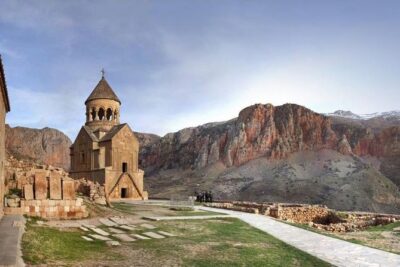
Group tour: Khor Virap, Noravank, Areni Winery and Cave
Read our review →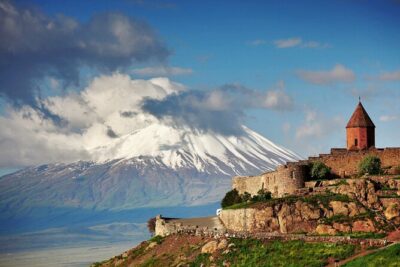
Group Tour: Khor Virap, Garni temple, Geghard, Lavash baking
Read our review →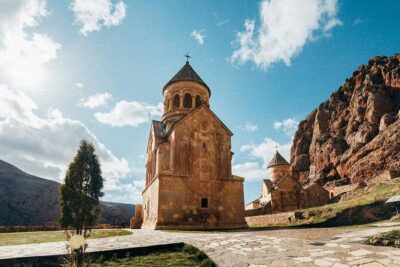
Khor Virap, Noravank & Birds’ Cave Day Trip with Wine Tasting
Read our review →
Private 7-8-hour Khor Virap, Garni temple & Geghard monastery trip from Yerevan
Read our review →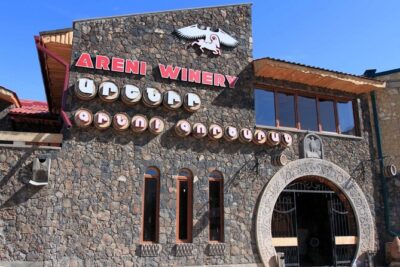
Guided tour: Khor Virap, Noravank Monastery, Areni, Jermuk
Read our review →
Khor Virap, Garni, Geghard, Syphony & Charents Arch + Lavash
Read our review →
Group Tour: Hin Areni Winery, Tatev (wayback on Ropeway), Khndzoresk Caves
Read our review →Browse the lists this tour appears in